Table of contents
Dive into the vibrant world of authentic Italian cuisine, right in the heart of a tropical city. Discover the flavors, aromas, and traditions that make Italian food beloved across the globe, all while surrounded by lush palms and warm breezes. Uncover how local chefs blend classic recipes with a tropical twist, and why this unique culinary adventure is not to be missed—read on to be transported to a place where Italy meets paradise.
The spirit of Italian gastronomy
Authentic Italian cuisine is defined by its deep respect for tradition, its focus on regionality, and the skillful balance of Mediterranean flavors. Traditional cooking methods such as slow simmering, wood-fired baking, and hand-rolling pasta are central to authentic recipes, relying on a philosophy where each ingredient's quality and origin are paramount. The concept of terroir—the unique influence of a region's climate, soil, and landscape—shapes Italian culinary traditions, ensuring flavors distinctive to each locale. When these practices are transplanted into a tropical city, chefs and enthusiasts often face the challenge of adapting techniques and sourcing ingredients, all while striving to maintain authenticity. Local produce might be used to replicate or reinterpret classic dishes, blending indigenous freshness with the principles of slow, deliberate preparation that define Italian gastronomy.
Italian food is as much about ritual as it is about flavor, with meals serving as an opportunity for connection and celebration. The slow food movement, which originated in Italy, champions the enjoyment of meals prepared with care, emphasizing the pleasure of eating and the importance of community. In a tropical setting, these values remain essential, though adaptations must be made to accommodate different climatic and agricultural conditions. Despite these changes, the spirit of Italian cuisine endures—anchored in the belief that quality, provenance, and heritage should never be compromised. Through careful tropical adaptation, the core of Italian culinary tradition continues to thrive, offering diners an authentic taste of Italy shaped by both its origins and its new environment.
Local ingredients, Italian inspiration
Chefs in tropical cities face the unique challenge of adapting traditional Italian dishes while relying on fresh ingredients sourced locally. By embracing tropical produce such as papaya, mango, or local varieties of leafy greens, these culinary innovators succeed in creating Italian recipes that remain authentic yet reflect their surroundings. The vital process of mise en place becomes even more significant in this setting, as careful preparation ensures flavors and textures remain true to Italian standards despite ingredient substitutions. For instance, when buffalo mozzarella or Parmigiano-Reggiano is difficult to obtain, chefs might use high-quality local cheeses or blend imported ones with regional alternatives, always striving for the right balance. Olive oil is often replaced or enhanced with locally produced oils, while tropical basil and native herbs bring a distinctive regional twist to familiar Italian profiles.
Local sourcing not only supports sustainability but also allows for daily access to the freshest tropical produce, elevating the final composition of Italian dishes. This approach encourages culinary innovation as chefs experiment with integrating local seafood or tropical fruits into classic antipasti, risottos, or desserts. Despite potential difficulties in securing imported essentials such as authentic Italian cured meats, these creative adaptations preserve the spirit of Italian gastronomy while introducing new dimensions to the cuisine. For travelers seeking outstanding examples of this culinary fusion, Best italian in Bangkok is a celebrated destination that masterfully blends Italian traditions with the bounty of the tropics, as highlighted on their website at http://gigibangkok.com/.
The art of pizza and pasta
Preparing traditional pizza and handmade pasta in a tropical climate presents unique challenges that demand specialized expertise. Variations in temperature and humidity can significantly influence dough preparation, especially during proofing, a technical term for the dough fermentation process. Mastering proofing in a hot, humid environment often requires chefs to closely monitor fermentation times and occasionally refrigerate dough to prevent over-expansion, ensuring the final crust remains both airy and crisp. For handmade pasta, controlling the moisture content is vital; tropical air can cause pasta dough to become sticky or overly soft, so local chefs often adjust flour ratios or employ dehumidifiers in their kitchens to maintain the ideal texture.
The pursuit of authentic Italian flavors in tropical cities has inspired culinary professionals to adapt traditional techniques while honoring time-tested recipes. Wood-fired ovens, prized for their ability to create the blistered crusts characteristic of traditional pizza, are frequently retrofitted with thermal insulation to counter the external heat and maintain consistent temperatures. In dough preparation, chefs sometimes use cold water and work in air-conditioned spaces to maintain gluten structure and achieve the desired chewiness in both pizza and pasta. These adjustments, grounded in an understanding of the science behind Italian cuisine, allow for genuine replication of classic textures and flavors despite environmental differences.
Local chefs committed to authenticity also experiment with fermentation times and hydration levels, fine-tuning every aspect of their craft to ensure that even in a tropical climate, each dish delivers the comfort and complexity associated with Italian dining. The use of imported Italian flours, hand-cranked pasta machines, and precise humidity controls all contribute to preserving the integrity of traditional pizza and handmade pasta. In sum, it is this combination of technical mastery and creative adaptation that enables culinary experts to bring the heart of Italy to vibrant, sun-soaked cities far from the Mediterranean.
Dining like an Italian
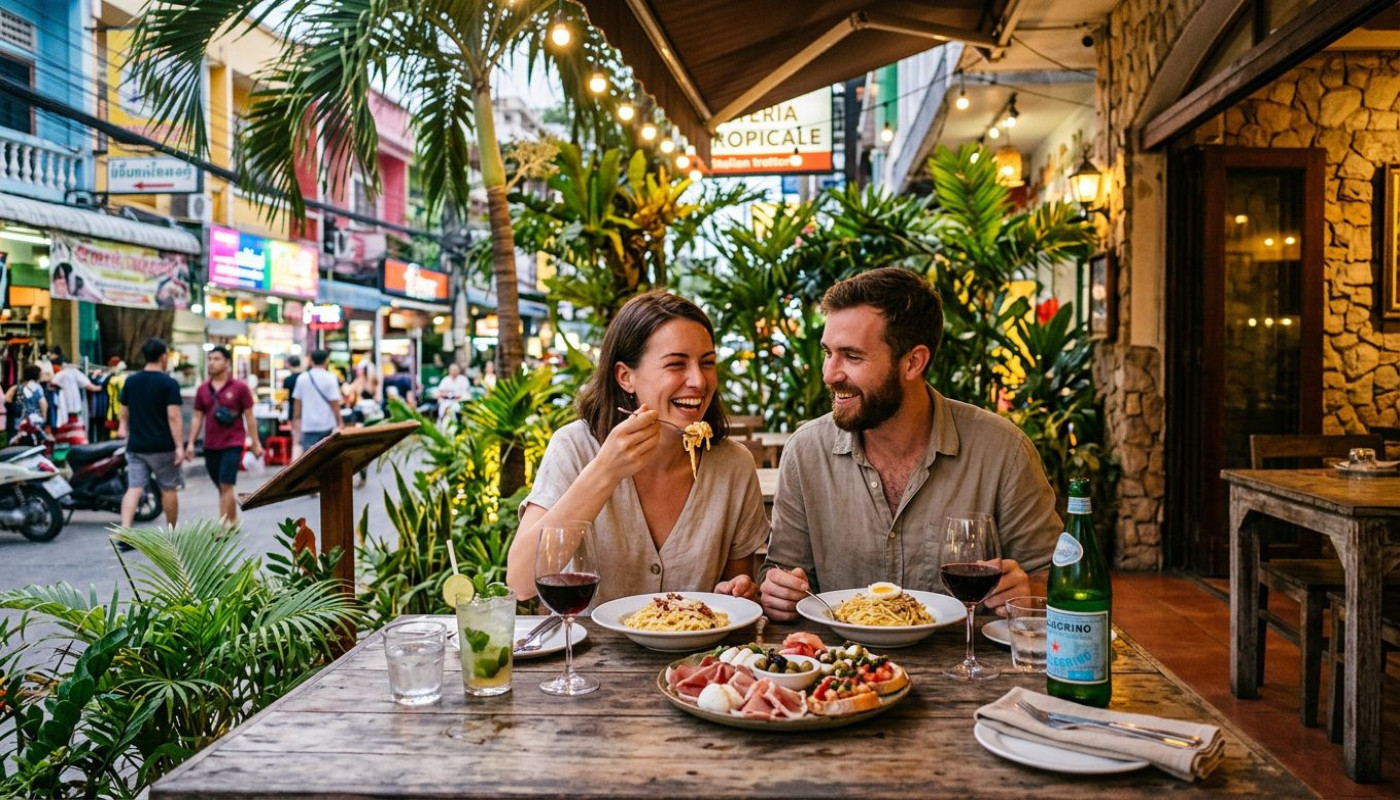
Italian dining is steeped in tradition, where each meal is a celebration of life, flavor, and community. The journey begins with antipasti—bite-sized starters enjoyed in a leisurely manner, often paired with an aperitivo, a pre-meal drink meant to stimulate the appetite and encourage conversation among friends. The meal structure typically unfolds in several courses: antipasti, primo (pasta or soup), secondo (meat or fish), contorno (side dishes), and dolce (dessert). This layered approach to dining highlights the importance Italians place on savoring each moment and dish, transforming every gathering into a memorable cultural experience. In a tropical city, authentic ambiance is recreated by blending Italian décor with open-air settings, inviting both locals and visitors to linger at the table and enjoy the rhythms of Italian hospitality.
Emphasizing the social gathering aspect, Italian dining in a tropical environment adapts classic customs to suit the local climate while preserving the spirit of togetherness. Restaurants often organize communal tables and extended meal times, embracing the Italian value of relaxed, unhurried conversations that stretch late into the evening. Aperitivo traditions thrive, with vibrant drinks and small plates served on breezy terraces, setting the stage for the culinary journey ahead. Through these efforts, the meal structure and rituals of Italian dining are faithfully maintained, crafting an authentic ambiance where guests feel transported to Italy, forging connections over shared plates and stories. This immersive approach ensures that the cultural experience of dining like an Italian flourishes, even far from the country’s shores.
Where to savor Italian classics
Finding a true Italian restaurant in a tropical city can be a rewarding experience, provided diners know what details to observe. Seek out establishments that identify as a trattoria or osteria, as these often reflect Italy’s rich culinary heritage. A culinary guide to authenticity begins with the menu: an authentic menu should offer regional specialties, homemade pastas served al dente, and traditional appetizers such as bruschetta or carpaccio. Avoid venues that feature a fusion-heavy selection or generic "Italian" dishes, and instead look for classics like risotto, ossobuco, or tiramisu, which demonstrate the kitchen’s commitment to genuine recipes.
Chef credentials also play a vital role in the pursuit of authenticity. Research whether the chef has trained in Italy or worked in renowned Italian kitchens, as this expertise translates directly to the plate. Ambiance further influences the overall experience—opt for a setting adorned with rustic décor and warm, welcoming service, reminiscent of a true Italian eatery. Dining tips include engaging with knowledgeable staff about wine pairings and asking about the sourcing of key ingredients such as olive oil or cheese. By combining these observations, any culinary enthusiast in a tropical city can confidently select an Italian restaurant that delivers the true flavors of Italy.
Similar articles

Exploring Unique All-You-Can-Eat Options In Asian Cuisine

Exploring The Elegance Of Classic French Cuisine In Urban Settings

The Perfect Cheese Board: Pairing Cheese With Craft Ciders

The Art Of The Perfect Brew: Exploring The Impact Of Water Quality On Tea Flavors
