
Table of contents
Discover a vibrant and delicious world where culinary boundaries are pushed and flavors know no limits. Exploring unique all-you-can-eat options in Asian cuisine unveils a treasure trove of traditions, textures, and tastes that are both surprising and delightful. Dive into the following sections to uncover innovative concepts, interactive dining experiences, and regional specialties that redefine the meaning of a feast.
Japanese izakaya buffet experiences
Izayaka-style all-you-can-eat dining offers a vibrant and authentic experience rooted in Japanese culture, where the focus is on sharing and savoring a diverse array of small plates known as otsumami. Unlike the typical buffet, izakaya dining is designed to foster social eating; diners gather around tables, ordering multiple rounds of dishes that arrive fresh and meant for sharing. This dynamic encourages guests to sample a broad selection of flavors, from grilled yakitori skewers and crispy tempura to delicate sashimi and inventive pickled vegetables. The relaxed, lively setting is complemented by sake pairing options, enhancing both the taste and enjoyment of each dish as diners toast together.
Unique to the Japanese buffet approach, izakaya establishments emphasize seasonal ingredients and creative presentations that set them apart from conventional buffet lines. Signature offerings often include savory karaage (Japanese fried chicken), spicy edamame, and classic takoyaki (octopus balls), all meticulously prepared to invite conversation and exploration. Otsumami, the artful bar snacks central to this dining style, are specifically chosen to complement sake, beer, or shochu, making each bite and sip a carefully curated experience. This setting transforms a meal into a social event, where discovering new tastes and pairings becomes as rewarding as the company itself.
For those seeking to explore the essence of izakaya dining and its unique take on Japanese buffet culture, modern venues and resources can provide inspiration and guidance. Platforms like Lilyfus.com offer valuable insights into the wide variety of small plates and sake pairing traditions, showcasing the spirit of communal eating and culinary artistry. Whether interested in hosting a gathering or simply expanding one’s palate, exploring authentic izakaya experiences opens a window into the heart of Japanese social dining.
Korean barbecue feasts
All-you-can-eat Korean barbecue offers diners a dynamic, hands-on experience that sets it apart from other dining options. Guests gather around built-in grills set at the center of each table, selecting from platters of marinated meats such as bulgogi, galbi, chicken, and the highly popular samgyeopsal—thick, juicy slices of pork belly. This interactive cooking method invites everyone to participate in grilling their preferred cuts, ensuring each bite is cooked just to their liking. The spread is further enhanced by an array of banchan, which are vibrant Korean side dishes like kimchi, pickled radishes, seasoned spinach, and spicy cucumber salad. These banchan not only complement the grilled meat but also refresh the palate between bites.
Dipping sauces provide another layer of flavor, with favorites including sesame oil with salt and pepper, gochujang for a spicy kick, and tangy soy-based blends. The communal grill and abundance of shared dishes embody the heart of Korean dining culture, where connection and lively conversation flourish over sizzling plates. This style of eating encourages guests to slow down, savor the meal, and enjoy the company of friends or family. In the world of all-you-can-eat options, Korean barbecue stands out for its combination of flavor, interactivity, and the deep sense of togetherness it fosters at every table.
Chinese hot pot adventures
Chinese hot pot, known technically as shāguō, is a celebrated all-you-can-eat experience that showcases the tremendous diversity within Chinese cuisine. Diners gather around a simmering pot of soup base, with choices ranging from intensely spicy Sichuan broths to delicate herbal or mushroom infusions. The selection of dipping ingredients is vast—paper-thin meats, assorted mushrooms, seafood, leafy greens, tofu varieties, and handmade noodles are just a fraction of what's available. Each region in China brings its own twist: Chengdu’s numbing heat, Beijing’s copper pots with lamb, and Cantonese seafood-focused options create a dynamic landscape of flavors and textures for every palate.
The interactive nature of Chinese hot pot transforms the meal into a communal adventure. Guests actively cook their chosen ingredients at the table, which not only allows for precision in taste and doneness but also encourages lively conversation and shared discovery. Crafting personalized dipping sauces from a bar of ingredients like sesame paste, fresh chilies, fermented bean curd, and aromatic scallions enhances the experience, giving every bite a bespoke touch. This hands-on cooking process is a core aspect of Chinese group dining culture, breaking down social barriers and fostering deeper connections among participants.
Hot pot’s popularity among groups goes beyond its festive atmosphere; it is widely regarded as a healthier dining option. Quick blanching of fresh vegetables, lean meats, and seafood in the shāguō helps retain nutrients while minimizing oil use, making it nutritious yet indulgent. The moderate pace of eating ensures satisfaction without overeating, and the variety of soup bases allows for customization based on individual dietary needs. Across Asia and in international communities, all-you-can-eat hot pot restaurants continue to thrive, drawing food enthusiasts who crave both the warmth of shared meals and the endless variety that defines this iconic Chinese tradition.
Dim sum unlimited delights
All-you-can-eat dim sum experiences transport diners into the heart of Cantonese cuisine, offering a vibrant showcase of artistry and flavor. In a classic tea house setting, servers glide between tables, pushing carts laden with bamboo steamers and porcelain plates. This mobile presentation allows guests to explore an endless variety of steamed buns, delicate dumplings, savory pastries, and crispy bites, each created to highlight a unique combination of ingredients and textures. Signature dishes might include shrimp har gow, pork siu mai, and silky cheung fun, with the ever-popular xiaolongbao—soup-filled dumplings—standing out for their technical mastery and satisfying burst of flavor.
Dim sum is far more than a meal; it is a weekend ritual that brings family and friends together in a lively, communal setting. The all-you-can-eat format encourages experimentation, inviting diners to sample an array of specialties that change with the seasons and the chef’s inspiration. Presentation plays a key role, with each morsel crafted to be visually appealing, from glossy baked char siu bao to jewel-like steamed dumplings. The constant flow of carts ensures that every table has access to both traditional favorites and creative new offerings, making every visit an adventure in taste.
At the heart of this tradition are the dim sum chefs, whose expertise ensures that each dish arrives at the perfect temperature and texture. Freshness is crucial, as steamed buns and dumplings are best enjoyed moments after leaving the kitchen. The technical process behind creating xiaolongbao, for example, demands precision in rolling the dough, portioning the filling, and sealing each dumpling so that the savory broth remains intact through steaming. This attention to detail is mirrored in the preparation of fried taro puffs, flaky egg tarts, and stuffed bell peppers, illustrating the skill and dedication required to deliver such a diverse menu daily.
Dim sum gatherings at an all-you-can-eat tea house serve as a microcosm of Cantonese culinary culture. Beyond the abundant flavors and textures, these meals foster connection and celebration. Whether for a special occasion or a simple Sunday outing, the act of sharing small plates and savoring endless rounds of delicacies builds lasting memories. The combination of variety, freshness, and tradition makes all-you-can-eat dim sum an inviting and memorable way to experience the best of Cantonese cuisine.
Southeast Asian street food buffets
Step into the vibrant world of a street food buffet, where the colorful essence of Southeast Asian cuisine comes to life. Visitors can immerse themselves in the lively atmosphere reminiscent of bustling night markets, with energetic chatter, sizzling sounds from open grills, and the enticing aroma of freshly prepared spicy dishes. Authentic snacks such as Malaysian satay skewers, Vietnamese spring rolls, and Thai mango sticky rice are staples at these buffets, each station crafted to evoke the charm of local food stalls. The street food ambassador, a passionate guide, shares stories behind each specialty, enhancing the cultural experience as guests sample signature offerings and unique condiments.
The concept of food sampling is at the heart of these buffets, inviting adventurous eaters to explore a diverse array of flavors without limits. Southeast Asian cuisine is known for its balance of sweet, sour, salty, and spicy elements—each plate becomes a journey through regional favorites and hidden gems. Whether savoring aromatic curries, crispy fried snacks, or tangy salads, the street food buffet offers something for everyone, making it a true celebration of night market culture and culinary diversity.
Similar articles
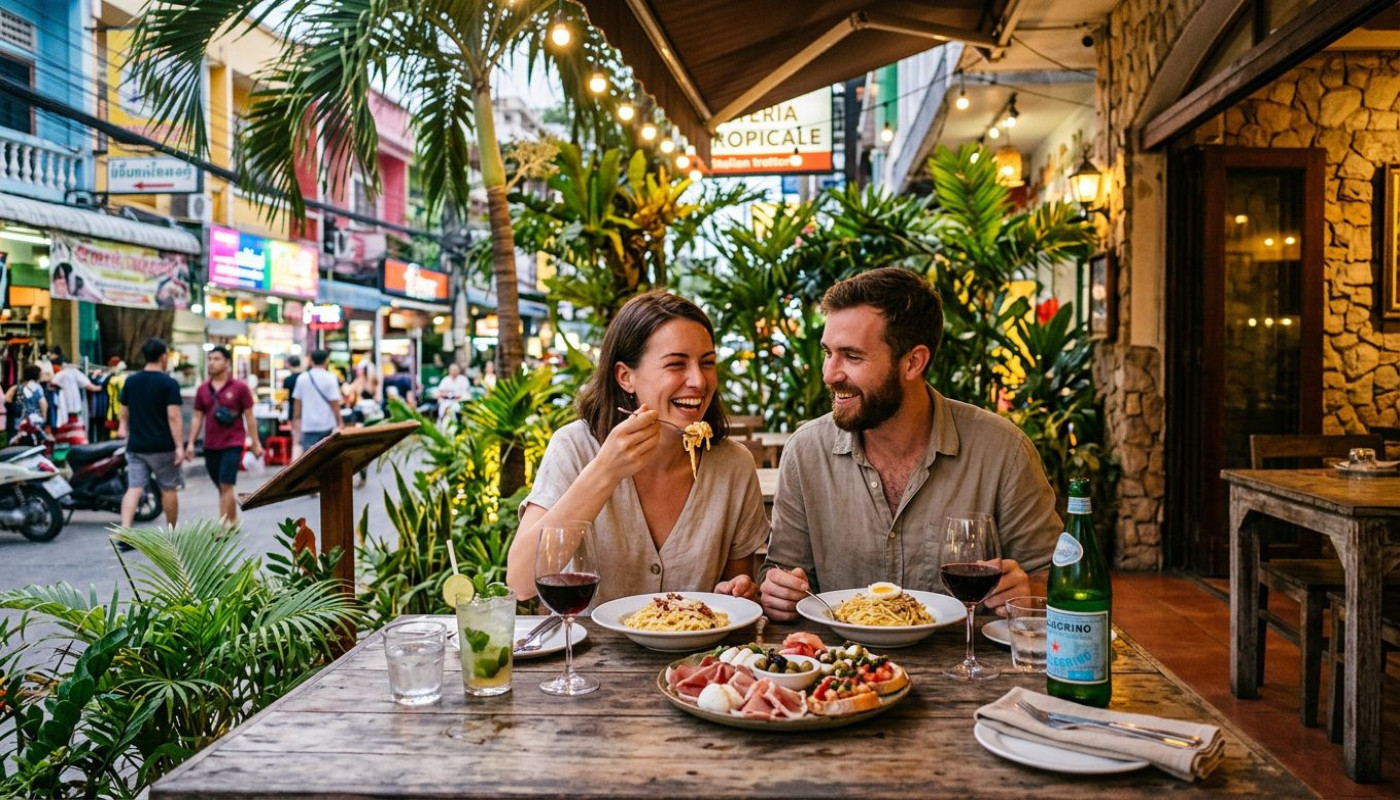
Exploring Authentic Italian Cuisine In A Tropical City

Exploring The Elegance Of Classic French Cuisine In Urban Settings

The Perfect Cheese Board: Pairing Cheese With Craft Ciders

The Art Of The Perfect Brew: Exploring The Impact Of Water Quality On Tea Flavors
